
Introduction
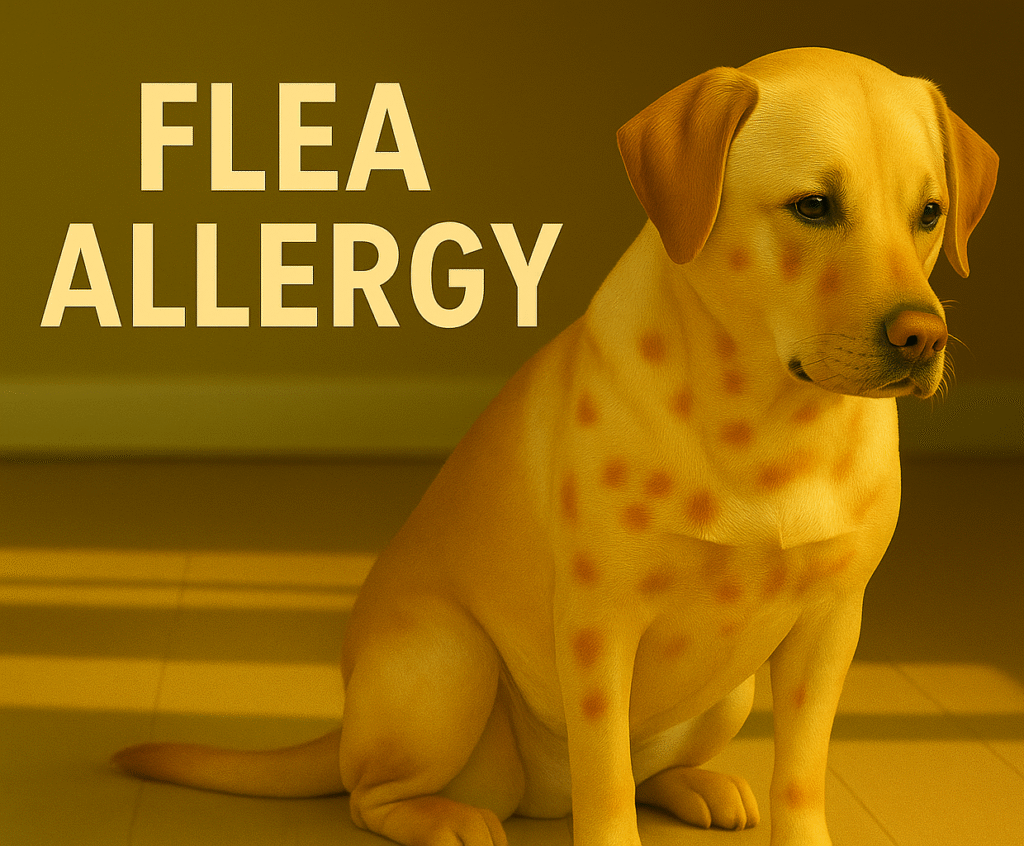
Treat Flea Allergy in dogs naturally at home to provide fast, safe relief from itching, redness, and skin inflammation caused by fleas bites. Flea allergy dermatitis (FAD) is a common immune reaction where a dog’s skin becomes hypersensitive to flea saliva, often causing intense scratching, hair loss, and discomfort even from a single bite. Understanding the causes and how to treat flea allergy effectively with natural remedies is essential for long-term relief and healthy, comfortable skin (Halliwell & DeBoer, 2004; Dryden, 2024).
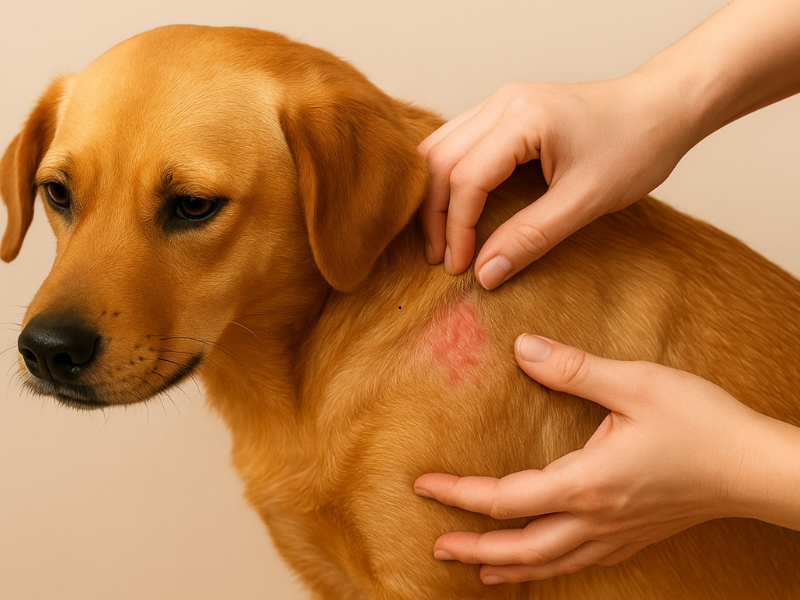
Dogs with flea allergy often develop red, inflamed patches, scabs, and “hot spots” on areas such as the tail base, back, abdomen, and neck. Constant scratching or licking can worsen the skin condition and sometimes lead to secondary bacterial or yeast infections. In many cases, fleas are not even visible because dogs groom them off quickly, but the allergic reaction persists.
This guide provides vet-approved natural strategies to treat flea allergy dermatitis in dogs, including soothing baths, topical remedies, fleas prevention, nutritional support, and tips for maintaining a stress-free environment. By following these steps, you can relieve your dog’s discomfort and restore a healthy, happy coat.
What Is Flea Allergy Dermatitis (FAD)?
Flea Allergy Dermatitis (FAD) is an allergic skin disease caused by hypersensitivity to flea saliva. When fleas bite, they inject antigens that trigger an intense immune reaction in sensitive dogs (Wilkerson et al., 2004).
Even minimal exposure can cause major irritation. Commonly affected areas include:
- The base of the tail and back
- Abdomen and inner thighs
- Neck and ears
In chronic cases, secondary bacterial or yeast infections may develop, worsening discomfort. Identifying and managing the allergy early prevents long-term skin damage.
Signs and Symptoms of Flea Allergy in Dogs
Recognizing symptoms early helps in fast, effective treatment. Look for:
- Constant scratching or biting at the back and tail
- Red, inflamed skin or small papules
- Hair loss or bald patches near the tail
- Flea dirt (tiny black specks) on the skin
- Crusty scabs or moist “hot spots”
- Behavioral signs of discomfort such as restlessness
Even if fleas aren’t visible, your dog may still be reacting — most fleas live off the pet, in bedding or carpets (Dryden, 2024).
How to Treat Flea Allergy Dermatitis in Dogs Naturally at Home
Veterinarians emphasize a three-part approach for effective management:
- Soothe the skin and relieve symptoms
- Eliminate fleas and prevent reinfestation
- Support immune and skin health internally
The steps below follow this structure, aligning with recommendations from the MSD Veterinary Manual (Dryden, 2024) and the American Veterinary Medical Association (AVMA).
Step 1: Give a Soothing Bath to Treat Flea Allergy
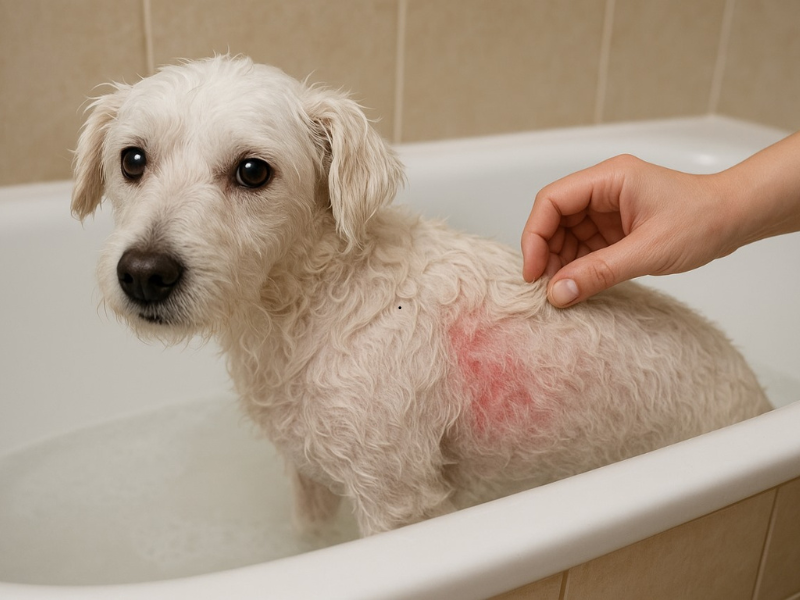
“Bathing is one of the easiest and most effective ways to treat flea allergy in dogs naturally. Regular baths help remove flea allergens, debris, and bacteria while soothing inflamed and irritated skin.”
Vet-recommended natural options:
- Oatmeal baths: Oatmeal’s avenanthramides have proven anti-inflammatory effects (NCBI, 2020).
- Chamomile or green tea rinses: Contain flavonoids that calm irritation and redness.
- Coconut oil shampoo: Hydrates and protects the skin while reducing bacterial growth.
Professional tip: Always use lukewarm water. Hot water aggravates itching and inflammation.
Step 2: Apply Natural Remedies to Relieve Itching
“Applying natural remedies is an effective way to treat flea allergies dermatitis in dogs at home, soothe itching, and promote healing.”
Recommended natural treatments:
- Aloe vera gel: Cools skin and promotes tissue repair (Tiwari, 2013).
- Apple cider vinegar (diluted 1:1 with water): Repels fleas and restores natural skin pH.
- Coconut oil rub: Acts as an antimicrobial barrier and reduces dryness.
- Baking soda paste: Neutralizes itching and irritation.
Always test a small patch before full application, especially in dogs with sensitive skin.
Step 3: Prevent Future Flea Infestations
“Preventing fleas infestations is crucial to treats flea allergy effectively and stop recurring flare-ups.”
Natural flea prevention strategies:
- Wash your dog’s bedding and blankets weekly in hot water.
- Vacuum carpets, furniture, and pet areas frequently.
- Apply food-grade diatomaceous earth on carpets and around baseboards to kill fleas naturally.
- Use lemon-water or lavender sprays as flea repellents.
If infestations persist, your veterinarian may recommend integrated pest control using safe prescription preventives.
Step 4: Strengthen Skin and Immune Health
“Supporting your dog’s skin and immune system helps Treatment for Flea Allergy in Dogs naturally, reduce inflammation, and prevent future allergic reactions.”
Essential nutrients:
- Omega-3 fatty acids: Reduce inflammation and restore the skin barrier.
- Vitamin E: Acts as a natural antioxidant supporting cell repair.
- Zinc and Biotin: Improve coat quality and wound healing.
- Probiotics: Balance gut bacteria, which can reduce allergic sensitivity (Bradley, 2023).
Include these through fish oil supplements, vitamin E capsules, or a balanced commercial dog food formulated for skin health.
Step 5: Maintain a Calm, Clean, and Stress-Free Environment
“Maintaining a calm, clean environment is another key strategy to Flea Allergy Dermatitis in dogs effectively and support faster healing.”
Best practices:
- Keep your dog’s living area clean and flea-free.
- Provide a consistent daily routine and plenty of fresh water.
- Groom your dog regularly to remove dander and dead hair.
- Ensure your dog gets adequate sleep, exercise, and affection — stress reduction aids immune stability.
Step 6: Medication and Veterinary Treatments for Flea Allergy
While natural remedies are effective for mild cases, some dogs with severe flea allergy dermatitis may require vet-prescribed medications to reduce itching, inflammation, and secondary infections.
Common medications include:
1. Oral Antihistamines
- Reduce allergic reactions and itchiness.
- Examples: Diphenhydramine (Benadryl), Cetirizine (Zyrtec).
- Usually combined with topical care for best results.
2. Corticosteroids
- Powerful anti-inflammatory drugs for severe itching or flare-ups.
- Can be oral (prednisone) or injectable.
- Should only be used under veterinary supervision due to potential side effects.
3. Prescription Flea Preventives
- These stop fleas from biting and prevent future allergic reactions.
- Common options include:
- Isoxazolines (Fluralaner, Afoxolaner, Sarolaner) — highly effective oral/topical treatments
- Topical spot-on medications like Selamectin or Fipronil
- Important: Always follow the dosage recommended by your vet.
4. Medicated Shampoos and Topical Treatments
- Shampoos with antihistamines, antiseptics, or soothing compounds help relieve inflammation.
- Topical corticosteroids may also be prescribed for hot spots or severe irritation.
Pro Tip: Medication should complement, not replace, environmental control, home care, and nutrition. Combining both natural remedies and medical treatment provides the fastest and most lasting relief.
Diagnosis: When to See a Veterinarian
Natural home care is highly effective for mild flea allergy dermatitis. However, veterinary intervention is necessary if you observe:
- Open sores or bleeding
- Persistent odor, pus, or swelling
- Hair loss spreading to other areas
- Lethargy, fever, or appetite loss
Your veterinarian may recommend:
Allergy testing or immunotherapy for recurrent cases (Wilkerson et al., 2004)
Antihistamines or corticosteroids to control inflammation
Prescription flea preventives such as isoxazolines
Antibiotics or antifungal treatments if infections develop
Conclusion
Flea allergy dermatitis (FAD) can make life very uncomfortable for dogs, but with consistent care and the right strategies, it is possible to manage and even prevent flare-ups effectively. Treating flea allergy in dogs requires a combination of approaches — from soothing baths and natural topical remedies to nutritional support, stress management, and environmental control. Each of these steps plays a critical role in reducing itching, redness, and inflammation, helping your dog feel comfortable and happy.
While home remedies like oatmeal baths, chamomile rinses, coconut oil, aloe vera, and diluted apple cider vinegar are excellent for mild cases, some dogs may require veterinary-prescribed medications such as antihistamines, corticosteroids, medicated shampoos, or prescription flea preventives. Combining both natural care and professional treatments ensures faster relief and longer-lasting results.
Preventing future flea infestations is just as important as treating current symptoms. Regular cleaning, washing bedding, vacuuming, using safe flea repellents, and maintaining a calm, stress-free environment can significantly reduce the risk of recurring allergy flare-ups. Nutrition also plays a vital role — Omega-3 fatty acids, Vitamin E, Zinc, Biotin, and probiotics strengthen the skin and support the immune system, helping your dog better cope with allergens.
Ultimately, flea allergy dermatitis is manageable when pet owners are proactive. Observing your dog for signs of itching, redness, or hair loss, implementing consistent flea control, and consulting your veterinarian when necessary can keep your dog comfortable year-round. By taking a holistic approach that includes natural remedies, preventive care, and medications when needed,You can treat flea allergies effectively in dogs, manage flea allergy dermatitis at home, and ensure your furry companion enjoys a healthy, itch-free, and comfortable life.
Remember, early intervention is key — the sooner you act, the faster your dog’s skin will heal and the lower the risk of chronic flare-ups. With patience, care, and the right strategies, flea allergy dermatitis can be managed successfully, improving your dog’s quality of life and overall well-being.
FAQs About Flea Allergy Dermatitis in Dogs
1. What is flea allergy dermatitis in dogs?
It is an allergic reaction caused by flea saliva, leading to intense itching, redness, and inflammation.
2. How can I tell if my dog has a flea allergy?
Look for scratching, hair loss near the tail/back, red skin, and flea dirt. Even without visible fleas, your dog may react.
3. How do you treat flea allergies dermatitis naturally at home?
Use oatmeal baths, chamomile rinses, coconut oil, aloe vera gel, and diluted apple cider vinegar. Preventing new flea infestations is crucial.
4. What is the best medicine for flea allergies in dogs?
Mild cases respond to natural remedies. Severe cases may need vet-prescribed antihistamines, corticosteroids, or flea preventives.
5. Can apple cider vinegar help flea allergy in dogs?
Yes, it soothes itching and repels fleas when diluted. Avoid open wounds.
6. How long does it take for flea allergy dermatitis to heal?
Mild cases: 5–7 days. Severe cases: 3–4 weeks with consistent care.
7. Can flea allergy dermatitis be cured permanently?
No, the allergy persists lifelong, but symptoms can be managed with flea prevention and home care.
8. Is flea allergy dermatitis contagious to other pets?
No, but fleas can spread, so other pets may get infested.
9. What home remedies prevent future flea allergies?
Wash bedding weekly, vacuum often, use diatomaceous earth, lemon-water sprays, and consistent flea preventives.
10. When should I see a veterinarian?
See a vet if sores, infection, rapid hair loss, or lethargy occur. Severe cases may need prescription treatments.
11. Can flea allergy dermatitis cause hair loss in dogs?
Yes. Repeated scratching and biting from flea bites can lead to hair loss, especially around the tail, back, and thighs.
References
- Halliwell, R.E., & DeBoer, D.J. (2004). Veterinary Dermatology Journal: Flea Allergy Dermatitis in Dogs.
- Wilkerson, M.J., Bagladi-Swanson, M., Wheeler, D.W. et al. (2004). The Immunopathogenesis of Flea Allergy Dermatitis in Dogs, an Experimental Study. Vet Immunol Immunopathol, 99(3-4):179-192.
- Carlotti, D.-N., & Jacobs, D.E. (2000). Therapy, Control and Prevention of Flea Allergy Dermatitis in Dogs and Cats. Vet Dermatol, 11(2):83-98.
- Dryden, M.W. (2024). Flea Allergy Dermatitis in Dogs and Cats. MSD Veterinary Manual.
- Bradley, C.W. (2023). A Review of Cutaneous Hypersensitivity Reactions in Dogs. SAGE Journals.
- Cornell University College of Veterinary Medicine. (2022). Nutritional Management of Canine Skin Disorders.
- Tiwari, D.K. (2013). Clinical Management of Flea Allergic Dermatitis in a Dog. CAB Digital Library.
- Haarstad Veterinary Dermatology. (2024). A Veterinary Dermatologist’s Guide to Flea Allergy Dermatitis: Prevention, Symptoms, and Treatment for Pets.